


I often refer to culture as the organization’s operating manual. Why? Because if you take the time to analyze it and understand it, it will tell you everything you need to know about how the organization functions and how to identify and troubleshoot problems.
The problem is that we never really read the manual. When we get a new dishwasher or microwave, we usually just tuck the manual in a drawer, and the appliance still seems to work fine. But then we don’t know what all those buttons are for, so we may not be getting the most out of the machine’s performance. We also may be doing things that are inadvertently wearing down the parts of the appliance, which can cause it to break down in the future.
The same applies to culture. Without a deep understanding of culture, our businesses will still function. Yet we may not know what is motivating our people and driving their performance. We may not have a good sense of how to rally them together during times of change or crisis. And we may not appreciate how the actions we’re taking or not taking are leading to employee burnout and turnover.
The Unique Nature of an Organization’s Culture
Reading the manual takes on an even greater importance when it comes to culture as, for the most part, every dishwasher or microwave runs in a similar fashion. There may be additional bells and whistles on some of the higher end models. But most of the functionality is consistent from unit to unit.
With culture, the same manual doesn’t apply to every organization, even those in the same industry or geography. People often think of culture in the same vein as employee engagement. With engagement, there are a common set of drivers across companies. That is why success tends to focus more on the company’s Grand Mean score or the percentile ranking of that score against a designated database.
There is no similar gold standard around culture. The “ideal” culture for an organization is whatever makes the most sense in that stage of its history and development. There are traits that are more likely to be present in thriving organizations. However, the precise combination and depth of those traits will vary, based on the company’s leadership and business objectives.
Our Collective Blind Spot Around Culture
Most of the leaders I talk to are quite passionate about culture. Yet they don’t necessarily read the manual. Given that, they don’t always have a firm grasp of their culture.
Some leaders equate culture with values. But values are aspirational. They speak to what the organization is like when it’s at its best. That doesn’t always line up with the way things are on the ground.
Other leaders will rely on anecdotal impressions about the culture that they gather from their direct reports or other senior stakeholders in the organization. Those impressions aren’t necessarily wrong. Yet they often lead to fairly narrow definitions of the culture, built around one or two dominant traits – we’re mission driven, we’re collaborative, and so on.
An organization’s culture is layered and nuanced. The disruptive traits in the culture will go hand in hand with, and in some cases may be driven by, the organization’s more positive traits.
- An innovative organization may fall victim to “not invented here” syndrome, rejecting ideas from newcomers or outsiders.
- Employees in empowered organizations may develop their own processes or workarounds, making it difficult to implement change at scale.
That’s why it is so important for leaders to develop a deeper understanding of their culture. It will help them to know what all these different forces are and how they play against one another. It will also give them a better sense of how culture is impacting performance.
The Hesitancy to Analyze and Address Culture
There are several factors that are keeping leaders from reading the manual on culture. A common concern raised by leaders is that culture work can be too time consuming or disruptive. Some organizations may have also recently completed their annual engagement survey and are worried about potential survey fatigue.
The bigger concern, however, is around return. When people think about culture change, they have images of long, drawn out transformation projects. There are posters and campaigns in the first year. But the real change, they are told, won’t come for another 3-5 years, when leaders and teams are able to fully integrate and embrace a new set of behaviors or values. It is not surprising then, that a lot of these efforts lose momentum or fall into “check-the-box” territory.
This is where the thinking needs to evolve around culture. Most organizations don’t need to fully transform their culture. They need a better way of identifying and leveraging their cultural strengths and making changes at the margins.
A Faster Approach to Culture Change
At Carpe Diem, we focus on the concept of culture alignment. We work with the client to define a specific business objective. We assess how culture is impacting that objective. We then identify small but meaningful ways to enhance the culture that further the objective.
We worked recently with a consumer brand that wanted to increase market share. Their teams were collaborative and took pride in their ability to address problems. Those were their cultural strengths. Yet too many competing priorities had created a more chaotic environment, with team members continuously reacting to what was in front of them.
Our recommendations didn’t involve posters or slogans around culture. Instead, the call was for the company to organize itself around fewer big bets, and to revamp incentives to build a stronger sense of team ownership.
We have found that the shift in emphasis from transformation to alignment helps to reframe leaders’ attitudes around culture work, producing a greater sense of urgency around the findings and a more organic mandate for change. As the work is tied to a business objective, there tends to be a greater stickiness to the change as well. But it all starts with reading the manual
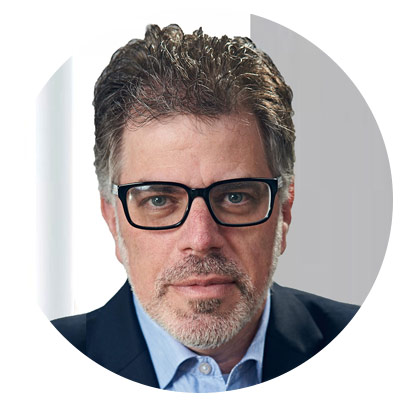

These market insights from Carpe Diem Global Partners are gathered from the firm’s extensive client work with Board, CEO, CXO, and CHRO leaders in public and private multinational companies. For deeper, custom insights, contact Craig Kamins at ckamins@carpediempartners.com.