The Carpe Diem Culture Screen® – A Better Way to Assess Culture
Organizations reach various tipping points in their business or industry, generating new business mandates in the process. When this happens, leaders need the full power of their culture behind them – to strengthen affiliation with the organization, rally the staff, and direct and enable their performance.
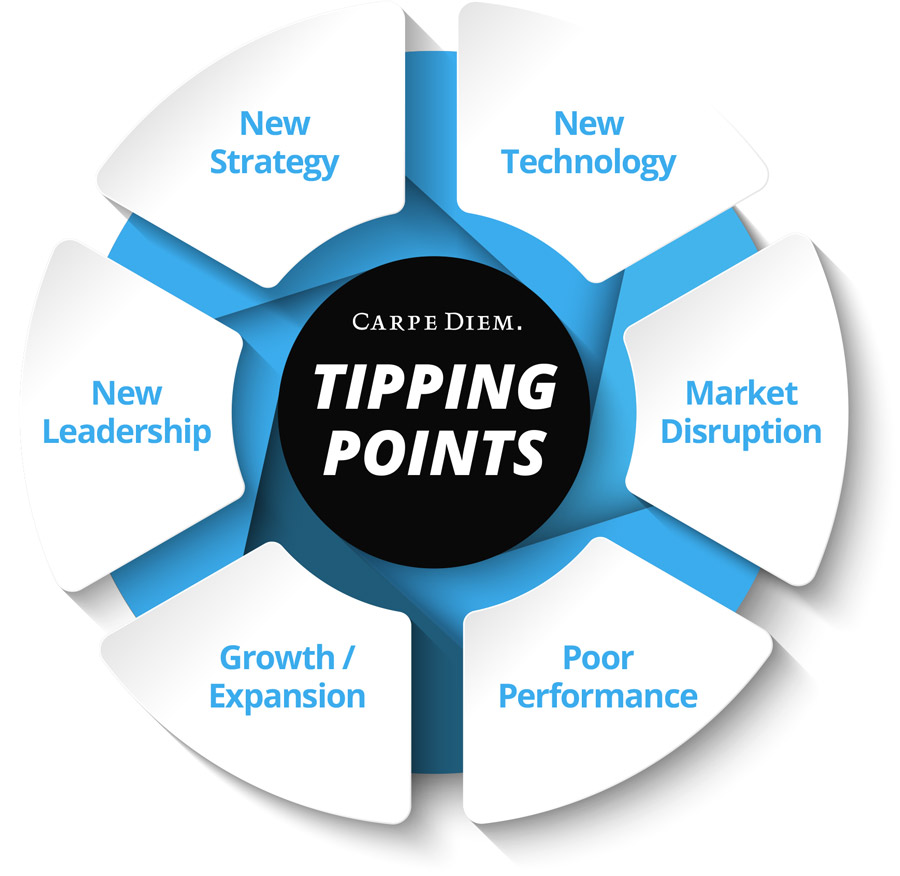
At Carpe Diem, we have found that it is leaders’ own behaviors that drive the culture. Team members will either model those behaviors or take the behaviors as a signal on how they should work with one another.
To enact any kind of change around the culture, it is important for organizations to have a clear and objective understanding of the current state culture. This will allow leaders to know which of their behaviors they need to improve upon or engage in more frequently or consistently to drive the organization’s business mandates.
Traditional culture surveys can be helpful in this regard. Yet they have their limitations, often taking considerable time and effort to administer, while focusing on a common and relatively narrow set of cultural traits.
The Five Elements of Culture
Carpe Diem’s new Culture Screen® is a different kind of assessment. It provides a quick but comprehensive view of the culture, highlighting a wide range of cultural traits.
These traits cut across five key elements of the culture, with four of those five elements relating directly back to leadership behaviors.
- Management Philosophy – what leaders define as their business and people priorities
- Decision-Making Style – how leaders approach the organization’s day-to-day opportunities and challenges
- Leadership Dynamic – the sense of urgency that leaders bring to their roles and how they operate as a unit
- People Leadership – how leaders position themselves with their teams and support their people
- Team Dynamic – how team members connect with the organization and interact with each another, both within and across functions
A Different Scale for Culture
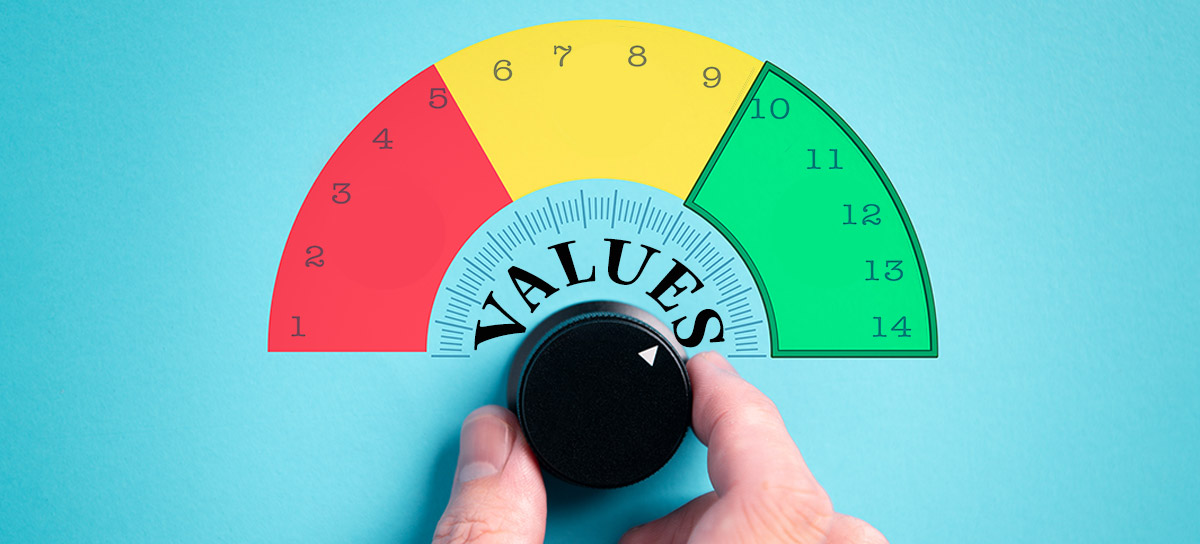
Beyond the categories in the survey, one of the key things that differentiates the Culture Screen® is that rather than having participants rate each cultural attribute on a 1-5 scale, it asks participants to compare two contrasting statements about the culture, to see which is more accurate. This allows us to probe deeper into the psyche of the organization, confirming cultural strengths while capturing the more challenging or potentially disruptive traits that traditional surveys often miss.
As an example, participants are asked whether the organization promotes work life balance or applies a 24/7 mentality.
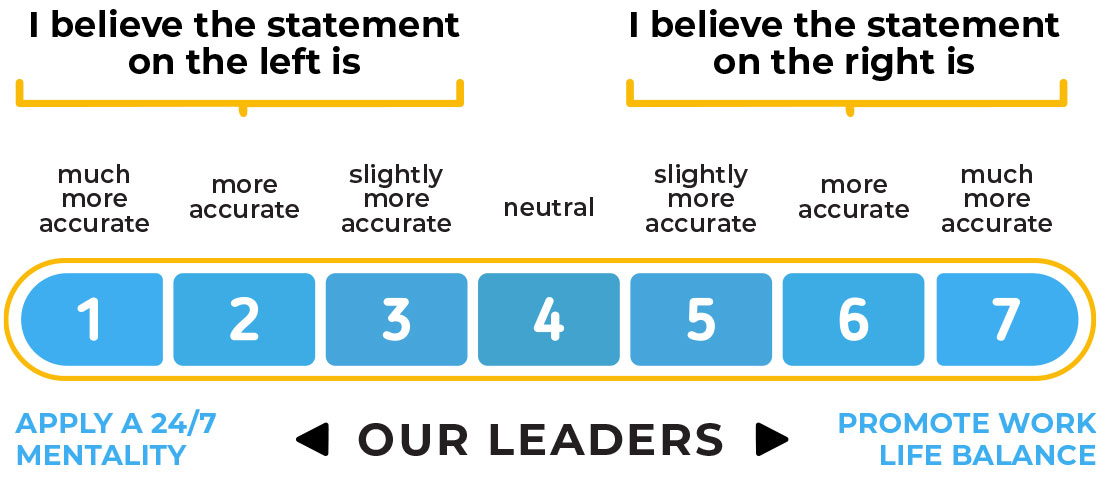
In a traditional survey, a lower score on work life balance would tell you that the organization is not taking active measures to support employee well-being. But it wouldn’t necessarily tell you whether the organization is contributing to wellness issues among its employees. That comes from looking at the contrasting statement about the 24/7 mentality.
Other pairings in the survey explore additional choices the organization has made about how it conducts its business and how people function. Some of these choices are made consciously and deliberately by leaders. Others develop organically over time, as leadership behaviors slowly take hold across the organization.
Leveraging the Findings
Within each of the pairings, there is a trait that is more readily associated with healthy or productive cultures. However, unlikely with employee engagement surveys, the goal is not to target a “high score” in every area, or a high overall GrandMean score.
Instead, Carpe Diem uses its Culture Screen to help leaders focus their efforts on those specific areas of the culture that are having a noticeable impact on the company’s current business objectives. Organizations that want to be more collaborative would focus on one set of traits. Those looking to increase accountability would focus on another.
In a recent example an organization with a long history of success was looking to become less risk averse in the face of a recent downturn. It had a longstanding management team that had gotten used to acting in a certain way, but those methods were becoming less effective as economic and industry conditions changed.
The Culture Screen® helped reveal certain gaps and underlying leadership behaviors. The recommended actions weren’t to improve the culture per se, but to address the conditions that were keeping members of the management team from challenging the status quo and driving the necessary change and improvement.
- Establish and communicate a clear vision to guide the management team’s efforts
- Promote examples of “courageous thinking” among management team members to highlight what’s possible
- Break down barriers and siloes to trigger new ideas and help spread the risk across the management team
This more business-oriented approach to culture creates a greater sense of urgency around the findings and a more organic mandate for change.


These market insights from Carpe Diem Global Partners are gathered from the firm’s extensive client work with Board, CEO, CXO, and CHRO leaders in public and private multinational companies. For deeper, custom insights, contact Craig Kamins at ckamins@carpediempartners.com.