Crisis Hangover: How Recent Events are Framing Culture and Limiting Engagement

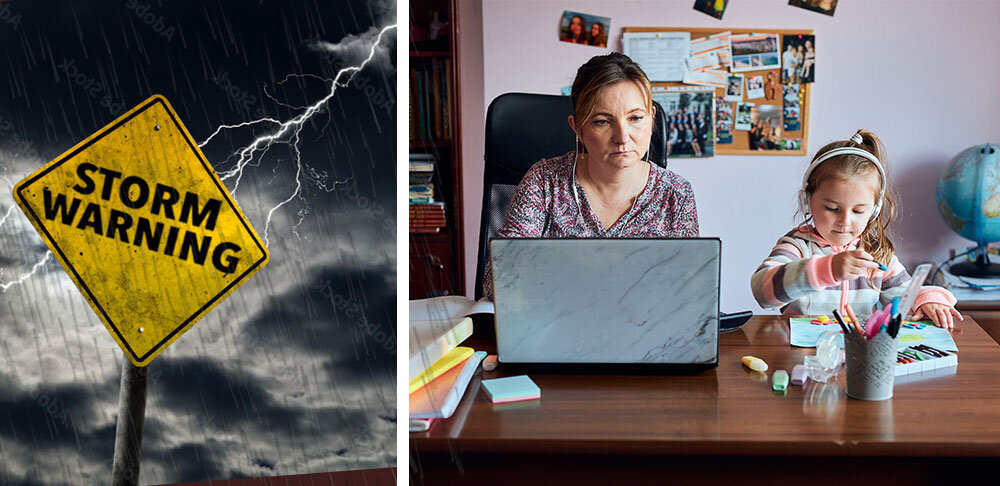
This is a challenging work environment, to put it mildly. A perfect storm of events – the aftermath of the pandemic, the rise and fall of DEI initiatives, and a lingering malaise in the economy – has shifted the dynamic in the workplace, with Gallup reporting 10-year lows in U.S. engagement scores.
In times like these, it is easy for leaders to turn their attention away from staff members. There are, after all, pressing financial matters for those leaders to attend to in order to sustain their businesses, and, at the risk of being cynical, employees don’t have a lot of places they can go.
Yet this is hardly the time to put things like culture or engagement on the back burner. Studies continue to show that engaged employees in a strong and supportive culture are more productive and profitable than their less engaged counterparts. And employees – and websites like Glassdoor – have long memories. The organizations that take care of their employees today will be in a better position to win the next war for talent, whether that’s 1, 5, or even 10 years from now.
To combat the influence of these recent events, it’s important for leaders to first understand why they are having such an impact on engagement levels.
The Aftermath of the Pandemic
The pandemic started to wind down in 2022. While we all would prefer to close the door to that chapter in our lives, its effects stay with us to this day.
It was during this period that our relationship with the workplace changed. As the pandemic became more of a reality, employees began to shift their priorities, placing greater emphasis on health and family.
At the same time, the proliferation of web conferencing technologies helped to further a blending of our personal and professional lives. In this new environment, employees were always “on.” We would be playing with our kids at noon and take a work call at 7 pm. It made little difference in a locked down world.
As the world began to open again, that blending of the personal and professional remained. We are now left dealing with two contradictory forces. Our jobs are no longer as important to us, or at least work is no longer the driving or dominating force in our lives. Yet we are spending more of their quality time on work-related activities.
We are also in the midst of what I would call a crisis hangover. Even during the worst parts of the pandemic, some positive changes emerged. There was an outpour of empathy from leaders and managers. Mechanisms were put in place to support employee health and wellness. For a short time, everything within every organization was on the table – how work got done, how the company interacted with its clients/customers, how people got paid and rewarded.
Then the hangover kicked in, where things reverted back to the pre-crisis status quo. The most prominent example of this is the ability to work from home. One can argue the merits of work-at-home policies. But it is still something employees had and appreciated during COVID that was “taken away” from them by management, making those employees feel less valued.
The Rise and Fall of DEI Initiatives
DEI activity gained considerable momentum from 2020-2022. During that initial wave, organizations brought in Chief Diversity Officers, built out their DE&I teams, and provided unconscious bias and other similar trainings to leaders and staff members. There were also advances in diverse hiring and an increased emphasis on mentorship and sponsorship.
That activity peaked in late 2022-early 2023. Setting aside any political context, DEI initiatives faced a few key challenges that contributed to their decline.
The first was a lack of full support from executive teams. C-suite and operational leaders may have been onboard with the concept of DEI. But many of those same leaders I talked to during that period felt they were already doing the right thing with their teams, so the formal DEI activities felt like a burden to them.
This left Chief Diversity Officers isolated, fighting a lot of internal battles on their own.
A second challenge was the lack of a clear endgame around DEI. While the general objectives were clear, many organizations struggled to define and quantify their goals around DEI, which made it more difficult to measure progress or assess impact.
As time progressed, staff members found themselves in one of three camps. There were advocates, and there were those who dismissed or even resented DEI activity. In the middle though, there was indifference. Not to the cause, but to the outcomes. To that group, DEI was yet another corporate initiative (emphasis on ‘corporate’) that was taking time and attention away from their more direct and personal concerns – e.g., job security, working conditions, opportunities for growth.
The Lingering Malaise in the Economy
With COVID and DEI, we are looking back towards the recent past. The economy is a present and ongoing concern. While the stock market is thriving and unemployment numbers remain low, there is near paralysis in organizations when it comes to hiring and future investment.
In a recent article, Korn Ferry pointed to the fact that job hopping has now been replaced by job hugging. A difficult job market and the fear of pending AI disruption have caused people to hang on to their current jobs, even if there are few opportunities for pay increases or growth.
A unique challenge in the current environment is that no one really knows how long the uncertainty will last or how great the disruption will be. The rules and guidance seem to be changing from day to day. As a result, leaders are less able to plan for the future or communicate their intentions to employees.
Timely and effective communication has always been a key driver of engagement, while a lack of communication can create issues of confidence and trust. In this instance, there is the assumption that leadership knows more than they are letting on and that layoffs are always right around the corner.
Making the Best of the Current Situation
The question then is what leaders can do to maintain the trust of their employees and sustain or increase engagement levels. In more challenging times, where budgets are tight, it’s always best for leaders and managers to go back to basics.
- Be visible and accessible to staff
- Recognize employees’ efforts and accomplishments
- Be good listeners
- Acknowledge and validate employees’ concerns (both professional and personal)
- Communicate what you can around current and future developments
- Respond to questions in a timely fashion (even if the answer is ‘I don’t know’)
This is also a good time for leaders to focus on culture. Getting a true read on culture can help leaders to promote and leverage their cultural strengths, while making changes on the margins that create a more welcoming and trustful environment.


These market insights from Carpe Diem Global Partners are gathered from the firm’s extensive client work with Board, CEO, CXO, and CHRO leaders in public and private multinational companies. For deeper, custom insights, contact Craig Kamins at ckamins@carpediempartners.com.